21 Days of Mediterranean Diet Dinners: Recipes
Author
Manish Singh
Published
3/31/2026
Updated
3/31/2026
Transform your health with our 21-day Mediterranean diet dinner plan. Discover easy-to-follow, delicious, and nutrient-packed recipes featuring heart-healthy olive oil, lean proteins, and fresh veggies to revitalize your evening meals.
Prep
N/A
Cook
N/A
Yield
2 SERVINGS
Energy
250 KCAL

Adopting a wholesome way of eating does not have to feel like a chore. The Mediterranean lifestyle focuses on fresh produce, lean proteins, and heart-healthy fats that nourish your body from the inside out. By choosing mediterranean diet recipes, you embrace a sustainable approach to wellness that celebrates flavor and variety.
Many people struggle to find consistent inspiration for their evening meals. Our comprehensive 21-day meal plan takes the guesswork out of your kitchen routine. You will discover a collection of healthy dinner ideas designed to save you time while keeping your nutrition goals on track.
Consistency is the secret ingredient to long-term success. This guide provides practical tips to help you master meal prep and enjoy every bite. Get ready to transform your table with simple, delicious, and nutrient-dense food choices.
Key Takeaways
Focus on whole, plant-based foods for optimal health.
Use a structured schedule to simplify your evening cooking.
Prioritize healthy fats like olive oil for better heart function.
Prepare ingredients in advance to save time during busy weeks.
Enjoy diverse flavors that make eating well a pleasure.
Understanding the Mediterranean Diet Lifestyle
Embracing the Mediterranean diet lifestyle is more than just a dietary change; it's a journey towards a healthier, more balanced way of living. This approach to eating emphasizes a rich variety of whole grains, fruits, vegetables, lean proteins, and healthy fats, creating a harmonious balance that nourishes both body and soul.
The Mediterranean diet is renowned for its numerous health benefits, ranging from reducing the risk of heart disease to promoting overall well-being. At its core, this diet is about adopting a sustainable, long-term eating pattern rather than following a short-term dietary regimen.
Core Principles of Mediterranean Eating
Mediterranean eating is characterized by several key principles, including a high consumption of fruits, vegetables, whole grains, and healthy fats, such as those found in olive oil. It also involves a moderate consumption of dairy products, fish, poultry, eggs, and red wine, with a lower intake of red meats and sweets.
Key Components of Mediterranean Eating:
High intake of fruits and vegetables
Whole grains as a staple
Healthy fats, such as olive oil
Moderate consumption of lean proteins and dairy
Low intake of red meats and processed foods
Health Benefits of Plant-Forward Dinners
Health Benefit Description
Reduced Heart Disease Risk The Mediterranean diet's emphasis on healthy fats and fiber-rich foods helps lower cholesterol levels and blood pressure.
Improved Weight Management Plant-forward dinners tend to be lower in calories and higher in fiber, making it easier to maintain a healthy weight.
Lower Risk of Chronic Diseases A diet rich in fruits, vegetables, and whole grains has been associated with a reduced risk of chronic diseases.
Essential Pantry Staples for 21 Days of Mediterranean Diet Dinners Recipes
A well-stocked pantry is the foundation of cooking delicious and healthy Mediterranean diet dinners. To ensure a smooth and enjoyable culinary journey, it's crucial to have the right ingredients on hand.
The Mediterranean diet is renowned for its emphasis on whole, nutrient-dense foods. By focusing on the right pantry staples, you can create a variety of flavorful and nutritious meals.
Healthy Fats and Oils
Healthy fats are a cornerstone of the Mediterranean diet. They not only add flavor to dishes but also provide numerous health benefits.
Extra Virgin Olive Oil Selection
Extra virgin olive oil (EVOO) is a staple in Mediterranean cuisine. When selecting an EVOO, look for products that are labeled as "extra virgin" and have a low acidity level. This ensures a richer flavor and higher quality.
Some recommended brands for EVOO include Colavita and Lucini. These brands are known for their high-quality olive oils that are perfect for dressing salads, sautéing vegetables, and making marinades.
Whole Grains and Legumes
Whole grains and legumes are fundamental components of the Mediterranean diet. They provide fiber, protein, and a range of essential nutrients.
Some essential whole grains include quinoa, bulgur, and whole wheat. Legumes such as lentils, chickpeas, and fava beans are also staples. These ingredients can be used in a variety of dishes, from hearty stews to fresh salads.
Fresh Produce and Herbs
Fresh produce and herbs add flavor, texture, and color to Mediterranean dishes. Commonly used herbs include parsley, oregano, and thyme. Fresh vegetables such as tomatoes, cucumbers, and bell peppers are also frequently used.
Incorporating a variety of fresh produce and herbs into your meals not only enhances the flavor but also boosts the nutritional value of your diet.
Weekly Meal Planning Strategies for Success
Effective meal planning is the cornerstone of a successful Mediterranean diet journey. It not only saves time but also ensures that you stay on track with your dietary goals. A well-planned meal strategy helps in reducing food waste and makes grocery shopping more efficient.
To achieve success with your Mediterranean diet meal plan, consider the following strategies:
Batch Cooking Techniques
Batch cooking is a powerful technique that involves preparing large quantities of a single ingredient or an entire meal at once. This approach can significantly reduce cooking time during the week and ensures that healthy meals are always available.
Some effective batch cooking techniques include:
Preparing grains like quinoa or brown rice in bulk
Cooking a variety of legumes such as lentils or chickpeas
Roasting a large batch of vegetables to use throughout the week
Balancing Proteins and Vegetables
A key principle of the Mediterranean diet is achieving a balance between proteins and vegetables in your meals. This balance is crucial for maintaining nutritional equilibrium and ensuring that your diet is both satisfying and healthy.
A simple way to achieve this balance is by following the Mediterranean diet's guideline of filling half your plate with vegetables, a quarter with protein, and the remaining quarter with whole grains.
Managing Portion Sizes
Managing portion sizes is essential for maintaining a healthy and balanced diet. It helps in controlling calorie intake and ensures that you are getting the right amount of nutrients.
Here's a simple table to guide you on managing portion sizes for key components of the Mediterranean diet:
Food Group Recommended Serving Size Examples
Proteins 3-4 ounces cooked Grilled chicken, baked salmon, lentils
Vegetables 1-2 cups raw or 1 cup cooked Leafy greens, bell peppers, carrots
Whole Grains 1/2 cup cooked Quinoa, brown rice, whole wheat pasta
By implementing these meal planning strategies, you can ensure a successful and enjoyable Mediterranean diet experience. Effective meal planning not only simplifies your cooking routine but also enhances your overall dining experience.
Step-by-Step Guide to Your 21-Day Dinner Rotation
A well-structured 21-day dinner plan is key to successfully integrating the Mediterranean diet into your daily routine. This guide will walk you through three weeks of dinner recipes, starting with establishing a foundation, incorporating lean proteins, and finally mastering meatless dinners.
Week One: Establishing the Foundation
The first week focuses on simple yet flavorful dishes that set the tone for your Mediterranean diet journey. Two standout recipes include Simple Sheet Pan Salmon and Vegetables and Mediterranean Chickpea Stew.
Simple Sheet Pan Salmon and Vegetables
This recipe is a testament to the simplicity and elegance of Mediterranean cuisine. With just a few ingredients, you can create a nutritious and satisfying meal.
Salmon fillets (4)
Assorted vegetables (such as cherry tomatoes, bell peppers, and zucchini)
Olive oil
Lemon juice
Garlic powder
Salt and pepper to taste
Fresh herbs (like parsley or dill
Preheat your oven to 400°F (200°C). Line a baking sheet with parchment paper. Place the salmon fillets and vegetables on the sheet, drizzle with olive oil, and season with salt, pepper, and garlic powder. Bake for 12-15 minutes or until the salmon is cooked through. Serve with a squeeze of lemon juice and garnished with fresh herbs.
This hearty stew is a perfect example of a filling and nutritious Mediterranean meal. It's easy to prepare and can be made in large batches for future meals.
Chickpeas (1 can)
Diced tomatoes (1 can)
Vegetable broth
Onion
Garlic
Olive oil
Spices (cumin, paprika, salt, and pepper)
Fresh parsley
Saute the onion and garlic in olive oil until softened. Add the chickpeas, diced tomatoes, vegetable broth, and spices. Bring to a boil, then simmer for 20-25 minutes. Season with salt and pepper to taste. Garnish with fresh parsley.
Week Two: Incorporating Lean Proteins
Week two introduces lean proteins to add variety to your meals. Grilled Lemon Herb Chicken Skewers and Baked Cod with Tomatoes and Olives are two recipes that highlight the flavors and health benefits of lean proteins in the Mediterranean diet.
Grilled Lemon Herb Chicken Skewers
These skewers are a fun and healthy way to enjoy lean protein. Marinate chicken breast in a mixture of lemon juice, olive oil, and herbs, then grill to perfection.
Chicken breast, cut into bite-sized pieces
Lemon juice
Olive oil
Chopped fresh herbs (such as rosemary and thyme)
Garlic, minced
Salt and pepper
Marinate the chicken pieces in a mixture of lemon juice, olive oil, herbs, garlic, salt, and pepper for at least 30 minutes. Thread the marinated chicken onto skewers and grill until cooked through.
Baked Cod with Tomatoes and Olives
This dish is a flavorful and moist way to enjoy cod. The combination of tomatoes, olives, and herbs creates a rich and satisfying sauce.
Cod fillets
Cherry tomatoes, halved
Pitted and sliced olives
Olive oil
Garlic, minced
Fresh basil
Salt and pepper
Preheat the oven to 375°F (190°C). Place the cod fillets on a baking dish. Top with cherry tomatoes, olives, garlic, and basil. Drizzle with olive oil and season with salt and pepper. Bake for 12-15 minutes or until the cod is cooked through.
Week Three: Mastering Meatless Dinners
The final week focuses on meatless dinners that are just as satisfying and flavorful. Quinoa Stuffed Bell Peppers and Lentil Salad with Feta and Cucumber showcase the versatility of plant-based Mediterranean cuisine.
Quinoa Stuffed Bell Peppers
This colorful dish is both nutritious and visually appealing. Quinoa, black beans, and vegetables make for a filling and healthy meal.
Bell peppers, any color
Cooked quinoa
Black beans, cooked
Diced tomatoes
Olive oil
Spices (cumin, paprika)
Salt and pepper
Feta cheese (optional)
Preheat the oven to 375°F (190°C). Cut the tops off the bell peppers and remove the seeds. Fill with a mixture of cooked quinoa, black beans, diced tomatoes, and spices. Drizzle with olive oil and bake for 25-30 minutes or until the peppers are tender.
Lentil Salad with Feta and Cucumber
This refreshing salad is perfect for a light dinner. The combination of lentils, feta, and cucumber provides a good balance of protein, healthy fats, and fiber.
Cooked lentils
Diced cucumber
Crumbled feta cheese
Chopped fresh parsley
Lemon juice
Olive oil
Salt and pepper
Combine cooked lentils, diced cucumber, crumbled feta, and chopped parsley in a bowl. Dress with lemon juice and olive oil. Season with salt and pepper to taste.
Conclusion
Adopting a mediterranean diet lifestyle is a significant step towards achieving a balanced and healthy eating habit. By incorporating the principles outlined in this article, individuals can experience the numerous benefits associated with this eating pattern, including improved overall health and well-being.
Effective meal planning is crucial to successfully integrating the Mediterranean diet into daily life. By planning meals in advance and preparing healthy dishes, individuals can ensure they are consuming a balanced diet rich in nutrients.
As you embark on your journey towards healthier eating, remember that consistency and patience are key. Start by making small changes to your daily routine, such as incorporating more plant-based meals and healthy fats into your diet.
By doing so, you will be well on your way to adopting a mediterranean diet lifestyle that promotes healthy eating and overall well-being through effective meal planning.
FAQ
What are the primary health benefits of following a 21-day Mediterranean diet plan?
Adopting this lifestyle focuses on heart health and reducing chronic inflammation. By emphasizing plant-forward dinners rich in antioxidants and fiber, participants often see improvements in cholesterol levels, better blood sugar regulation, and sustainable weight management. This dietary pattern is backed by the American Heart Association for its ability to lower the risk of cardiovascular disease.
How do I select the best quality olive oil for my Mediterranean recipes?
For authentic Mediterranean cooking, always choose Extra Virgin Olive Oil (EVOO). Look for reputable brands like California Olive Ranch or Lucini, ensuring the bottle has a recent harvest date and is stored in dark glass to protect the polyphenols. High-quality EVOO provides the monounsaturated fats essential for metabolic health and adds a robust flavor profile to dishes like Baked Cod with Tomatoes and Olives.
Can I utilize batch cooking with the recipes in this 21-day rotation?
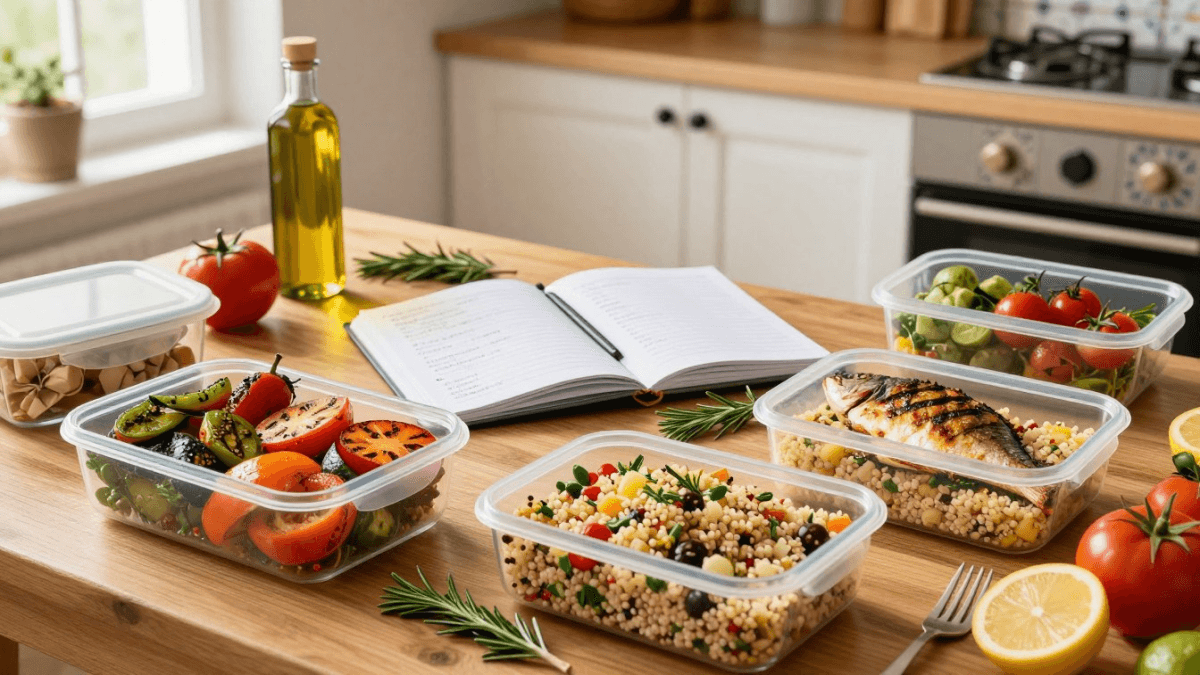
Yes, batch cooking is a key strategy for maintaining consistency. You can prepare large quantities of Mediterranean Chickpea Stew or Lentil Salad with Feta at the start of the week. Storing these in Pyrex glass containers keeps the ingredients fresh and makes it easier to manage portion sizes during busy weeknights, ensuring you always have a nutrient-dense meal ready.
What are the best whole grains to stock in my pantry for these dinners?
A Mediterranean pantry should be stocked with complex carbohydrates that provide lasting energy. We recommend keeping Bob’s Red Mill Quinoa, farro, and brown rice on hand. These grains serve as the foundation for meals like Quinoa Stuffed Bell Peppers, offering a high fiber content that aids in digestion and satiety.
How does the plan balance protein sources throughout the three weeks?
The 21-day rotation is designed to diversify your protein intake. It starts with omega-3 rich seafood such as wild-caught salmon, moves into lean proteins like Grilled Lemon Herb Chicken Skewers, and concludes with a focus on plant-based proteins. Legumes, specifically lentils and chickpeas, are utilized to provide essential amino acids while keeping the meals low in saturated fat.
Is it difficult to find the fresh produce required for these Mediterranean recipes?
Most ingredients are readily available at standard grocers like Whole Foods Market or Trader Joe's. The plan focuses on accessible staples like bell peppers, cucumbers, tomatoes, and fresh herbs such as parsley and oregano. Using seasonal produce ensures your Simple Sheet Pan Salmon and Vegetables are packed with the highest possible micronutrient density.
How does this diet help with long-term lifestyle changes?
Unlike restrictive diets, the Mediterranean approach is a sustainable lifestyle. By mastering Week Three: Mastering Meatless Dinners, you learn to appreciate the flavors of whole foods rather than relying on processed alternatives. This transition helps redefine your relationship with food, prioritizing whole grains, healthy fats, and fresh produce for long-term well-being.
Inspire Others
Reader Insights
0 Discussions Joined
Be the first to start the conversation