22 Foolproof Seafood Recipes for Beginners
Author
Manish Singh
Published
4/1/2026
Updated
4/1/2026
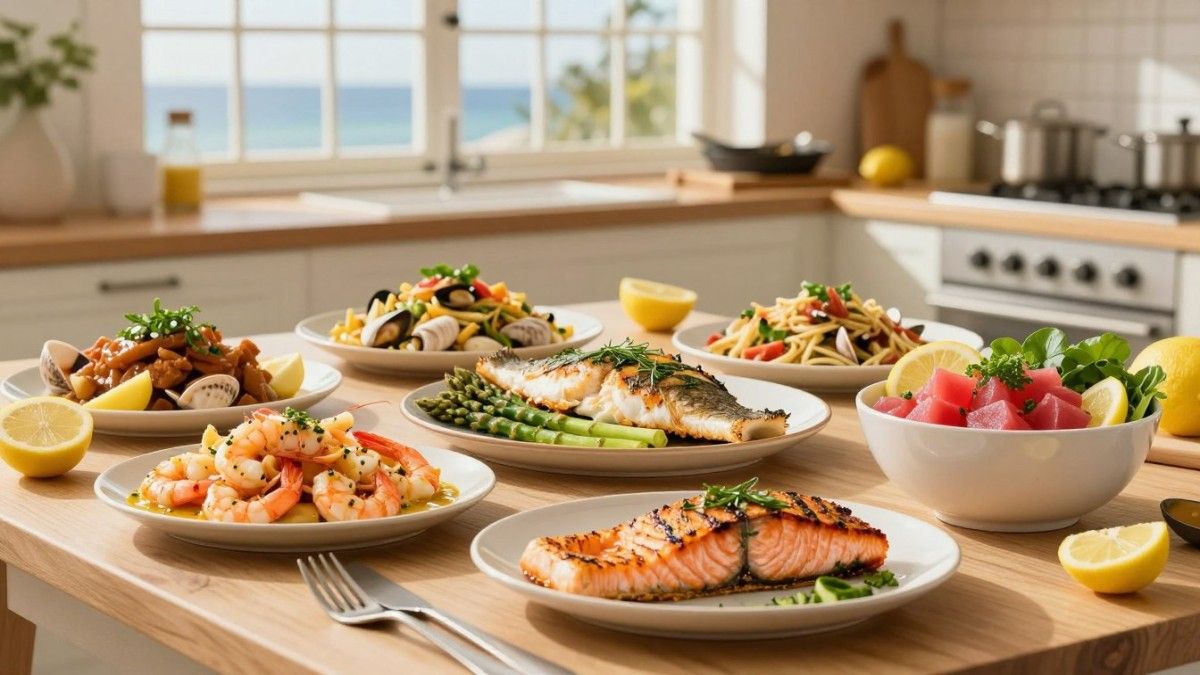
Cooking seafood doesn't have to be intimidating! We've curated 22 simple, delicious, and foolproof recipes designed specifically for beginners. Whether you're craving buttery salmon or quick shrimp tacos, these easy-to-follow guides will turn you into a seafood pro in no time.
Prep
N/A
Cook
N/A
Yield
2 SERVINGS
Energy
250 KCAL
I created this guide to help home cooks feel confident when preparing delicious meals from the ocean. Many people find working with delicate proteins intimidating, but it does not have to be a stressful experience.

This article features 22 foolproof seafood recipes for beginners that take the guesswork out of your time in the kitchen. You will find that these easy seafood dinner ideas are perfect for busy weeknights or special weekend gatherings with your family.
My goal is to ensure you have all the knowledge needed to succeed. With these simple techniques, you can master restaurant-quality dishes right at home.
Key Takeaways
Learn how to handle delicate fish and shellfish with ease.
Discover quick meal solutions for hectic weeknight schedules.
Gain confidence in your ability to cook healthy ocean-based proteins.
Explore versatile cooking methods that yield consistent results.
Impress your guests with simple yet elegant culinary creations.
Essential Tips for Selecting and Preparing Fresh Seafood
The secret to a restaurant-quality meal at home begins at the seafood counter. When you prioritize fresh seafood selection, you ensure that your final dish has the best possible flavor and texture. Learning how to cook fresh fish effectively starts with knowing exactly what to look for before you even bring your ingredients into the kitchen.
Understanding Freshness Indicators
When I shop for fish, I always look for clear, bright eyes that bulge slightly. If the eyes appear cloudy or sunken, the fish is likely past its prime. I also check the gills, which should be a vibrant red rather than dull or brown.
A high-quality catch should have a mild, oceanic scent. If you notice a strong, fishy, or ammonia-like odor, it is best to avoid that selection. Finally, press the flesh gently; it should feel firm and bounce back quickly to the touch.
Proper Storage and Thawing Techniques
Once you bring your purchase home, simple fish preparation requires immediate attention to temperature. I recommend keeping seafood in the coldest part of your refrigerator, ideally packed in ice if you do not plan to cook it within a few hours. This maintains the integrity of the delicate proteins.
If you are using frozen fillets, never thaw them on the counter at room temperature. Instead, place the sealed package in a bowl of cold water or move it to the refrigerator overnight. This gentle method prevents bacterial growth and preserves the quality of the fish.
Basic Tools Every Beginner Needs
You do not need a professional kitchen to master cooking seafood at home. A few essential items will make your experience much smoother and more enjoyable. These beginner seafood cooking tips focus on having the right gear for the job.
A sharp, flexible fillet knife for precise cuts.
A heavy-bottomed stainless steel or cast-iron skillet for even heat distribution.
An instant-read digital thermometer to ensure your fish reaches the perfect internal temperature.
A sturdy fish spatula to flip delicate fillets without breaking them.
My Top 22 Foolproof Seafood Recipes for Beginners
If you are ready to master the kitchen, these 22 foolproof seafood recipes for beginners are the perfect starting point. I have carefully curated this list to ensure that your first attempts at cooking fish and shellfish are both successful and delicious. These healthy seafood recipes focus on simple techniques that yield impressive results every time.
Whether you are craving a light fillet or a hearty stew, this collection offers something for every palate. These quick seafood meals are designed to fit into a busy schedule while providing high-quality nutrition. Let’s explore these simple seafood dinner recipes organized by category to help you plan your next meal.
Quick and Easy White Fish Preparations
Lemon Butter Baked Cod
This dish relies on the gentle heat of the oven to keep the fish moist. A simple topping of lemon, butter, and fresh parsley elevates the mild flavor of the cod.
Pan-Seared Tilapia with Herbs
Tilapia is an excellent choice for those new to cooking fish. A quick sear in a hot pan creates a beautiful crust while keeping the inside tender.
Simple Garlic Butter Flounder
Flounder is delicate and cooks in just a few minutes. I love using a touch of garlic butter to bring out its natural sweetness.
Shellfish Favorites for Home Cooks
Classic Garlic Shrimp Scampi
Shrimp is a staple for quick seafood meals because it cooks in under five minutes. This classic preparation is perfect served over crusty bread or pasta.
Steamed Mussels in White Wine
Do not let the idea of mussels intimidate you. Steaming them in a flavorful broth is one of the most simple seafood dinner recipes you can master.
Easy Peel-and-Eat Boiled Shrimp
This is the ultimate low-effort dish for a casual dinner. Simply boil the shrimp with your favorite spices and serve them chilled or warm.
Salmon and Hearty Fish Dishes
Sheet Pan Salmon with Asparagus
Using a sheet pan makes cleanup a breeze. This is one of my favorite healthy seafood recipes for a nutritious weeknight dinner.
Honey Glazed Salmon Fillets
The combination of honey and soy sauce creates a delicious caramelized glaze. It is a crowd-pleaser that pairs perfectly with steamed rice.
Blackened Mahi-Mahi Tacos
Mahi-Mahi holds up well to bold spices. These tacos are a fun and interactive way to enjoy fresh fish with your favorite toppings.
Simple Seafood Pasta and Stews
Creamy Shrimp Alfredo
Indulge in a rich, creamy sauce that coats every strand of pasta. It is a comforting meal that feels like a special occasion.
Quick Seafood Cioppino
This hearty stew is packed with various types of seafood. It is surprisingly easy to assemble and perfect for sharing with family.
Linguine with Clam Sauce
A light, briny sauce made with clams and white wine is a timeless classic. It is elegant yet incredibly simple to prepare at home.
Recipe Name Prep Time Difficulty
Lemon Butter Cod 15 Minutes Easy
Garlic Shrimp Scampi 10 Minutes Beginner
Sheet Pan Salmon 20 Minutes Easy
Mastering Simple Cooking Methods
I have found that simple fish preparation is the secret to consistent results in the kitchen. Learning how to cook fresh fish effectively requires mastering a few fundamental techniques that prevent the protein from falling apart. By focusing on these core skills, you will gain the confidence to experiment with different species and cooking styles.
The Art of Pan-Searing
Pan-searing is my favorite way to achieve a perfectly crispy crust while keeping the inside tender. To succeed, ensure your pan is hot before adding the fish and a small amount of oil. Avoid moving the fillet too early, as this often causes the delicate flesh to tear or stick to the surface.
Baking Seafood in Parchment Paper
When I want to prepare quick seafood meals without the mess, I turn to the parchment paper method. This technique, often called en papillote, seals the fish inside a paper pouch with aromatics and a splash of liquid. The steam trapped inside locks in moisture, ensuring your dinner remains succulent and flavorful every single time.
Grilling Basics for Delicate Fillets
Grilling can feel intimidating, but it is one of the most rewarding beginner-friendly seafood techniques when done correctly. I recommend using a well-oiled grill grate and keeping the heat at a medium level to prevent charring. Using a fish basket or a piece of foil can also provide extra support, making it much easier to flip your fillets without them breaking apart.
Seasoning and Flavor Pairing Strategies
While fresh seafood selection is the foundation of a great meal, the right flavor pairings truly bring your dish to life. I believe that mastering a reliable seafood seasoning guide is the secret to transforming simple fish into a gourmet experience. By understanding how to layer flavors, you can elevate your cooking without overpowering the natural taste of the ocean.
Using Fresh Herbs to Enhance Flavor
Fresh herbs are essential for adding brightness and depth to any seafood dish. I recommend using delicate herbs like dill, parsley, and chives toward the end of the cooking process to preserve their vibrant color and aroma. These greens provide a clean finish that complements the natural sweetness of white fish and shellfish.
"The secret to great seafood is restraint; let the quality of the ingredient shine through with just a whisper of fresh herbs and seasoning."
— Culinary Expert
Balancing Acidity with Citrus
Acidity is the key to creating successful seafood flavor pairings that cut through richness. A squeeze of fresh lemon or lime juice acts as a natural flavor enhancer, brightening the palate instantly. I often use citrus zest during the cooking process to infuse the fish with a deeper, more complex aroma.
Consider the following table to help you match ingredients with your favorite types of seafood:
Seafood Type Best Herb Citrus Pairing Aromatic Base
White Fish Parsley Lemon Garlic
Salmon Dill Lime Shallots
The Role of Aromatics Like Garlic and Shallots
Aromatics provide the savory backbone that makes a dish feel complete. Garlic and shallots are my go-to ingredients for building a flavorful base in a pan or a roasting tray. When sautéed gently in butter or olive oil, they release a fragrant sweetness that pairs perfectly with almost any variety of fish.
Always remember to keep the heat low when cooking these aromatics to prevent them from burning. A bitter, burnt garlic flavor can easily ruin the delicate balance of your meal. By focusing on these simple additions, you will gain the confidence to customize your recipes with flair.
Common Mistakes to Avoid When Cooking Seafood
Cooking seafood can feel intimidating, but avoiding a few common seafood cooking mistakes makes the process much simpler. I have found that even small adjustments to your routine can lead to professional results. By following these beginner seafood cooking tips, you will gain the confidence needed to prepare delicious meals every time.
Preventing Overcooking and Dryness
The most frequent error I see is leaving fish on the heat for too long. Seafood is delicate and continues to cook even after you remove it from the pan. You should look for visual cues to ensure your fish stays moist and tender.
Check for opacity: The flesh should turn from translucent to opaque.
Use the fork test: The fish should flake easily when gently pressed.
Remove early: Take the pan off the heat just before the center looks fully cooked.
Avoiding Excessive Saltiness
It is easy to get carried away with seasonings, but fish often has a natural salinity that requires a light touch. My seafood seasoning guide suggests starting with a minimal amount of salt and adjusting at the very end. Remember that you can always add more flavor, but you cannot remove it once it is absorbed.
Flavor balance is key to a great dish. Instead of relying solely on salt, try using fresh herbs or a squeeze of lemon to brighten the natural taste of the ocean. This approach keeps your meal healthy and prevents the seasoning from overpowering the main ingredient.
Managing Heat Levels for Different Species
Different types of fish require different approaches to heat. Thick, hearty fillets like salmon can handle higher temperatures, while thin, delicate white fish require a gentler touch to prevent falling apart. Mastering these beginner-friendly seafood techniques will help you match the heat to the specific texture of your catch.
I recommend keeping a close watch on your pan when working with thinner cuts. If you notice the edges browning too quickly, lower the heat immediately to ensure the inside cooks evenly. With practice, you will learn to adjust your stove settings instinctively for every recipe.
Pairing Your Seafood Dishes with Perfect Sides
I believe that the secret to a great meal lies in how well your sides complement your main course. A well-chosen side dish should enhance the natural flavors of the ocean without overpowering them. By focusing on balance, you can create a nutritious and satisfying plate every time you cook.
Light Salads and Fresh Greens
When preparing healthy seafood recipes, I often reach for crisp, vibrant greens. A simple arugula salad tossed with lemon vinaigrette provides a bright contrast to rich, oily fish like salmon or mackerel. The acidity in the dressing cuts through the fat, making each bite feel light and refreshing.
You might also consider a cucumber and radish salad with fresh dill. These ingredients offer a crunchy texture that pairs beautifully with delicate white fish. Keeping your greens simple ensures that the star of the show remains the seafood itself.
Roasted Vegetables and Grains
If you are looking for the best side dishes for fish, roasted vegetables are a reliable choice. I love roasting asparagus, cherry tomatoes, or zucchini with a touch of olive oil and sea salt. The caramelization of these vegetables adds a natural sweetness that complements almost any fillet.
For a more substantial meal, serve your fish over a bed of fluffy quinoa or herb-infused couscous. These grains act as a perfect canvas for pan-seared scallops or grilled shrimp. They soak up the juices from the fish, ensuring that no flavor goes to waste.
Choosing the Right Wine or Beverage
Mastering seafood flavor pairings extends beyond the plate and into your glass. A crisp, dry white wine like Sauvignon Blanc or Pinot Grigio is a classic choice for most white fish. If you prefer non-alcoholic options, sparkling water with a splash of fresh lime or grapefruit juice works wonders.
These thoughtful additions turn your simple seafood dinner recipes into a sophisticated dining experience. Whether you are hosting friends or enjoying a quiet night in, the right beverage choice elevates the entire meal. Always aim for drinks that cleanse the palate rather than coating it with heavy sugars.
Conclusion
I hope this guide empowers you to explore the vast world of cooking with fresh fish and shellfish. You now possess the knowledge to transform simple ingredients into restaurant-quality meals right in your own kitchen.
My goal is to help you gain confidence with every fillet you prepare. By staying mindful of common seafood cooking mistakes, you protect the delicate texture and natural sweetness of your catch. Proper heat management ensures your dinner remains moist and flavorful every single time.
Elevating your plate requires attention to detail beyond the main course. Pairing your protein with the best side dishes for fish creates a balanced and memorable dining experience. Fresh greens or roasted grains often provide the perfect contrast to a buttery salmon or a light white fish.
Practice remains the most effective path to culinary success. I encourage you to experiment with these recipes until you discover your personal favorites. Share your creations with friends and family to celebrate your new skills. Enjoy the process of bringing fresh, healthy flavors to your table tonight.
FAQ
How can I tell if the fish I am buying at a market like Whole Foods is truly fresh?
I always recommend looking for a few specific freshness indicators. The eyes of the fish should be clear and bulging, not sunken or cloudy. The flesh must be firm to the touch and spring back immediately when pressed. Most importantly, fresh seafood selection should never smell "fishy"; instead, it should have a mild, clean scent reminiscent of the ocean. If you are buying fillets, ensure they appear moist and vibrant rather than dry or discolored around the edges.
What is the most effective way to thaw frozen seafood without ruining the texture?
To maintain the integrity of my 22 foolproof seafood recipes for beginners, I suggest thawing frozen fillets, such as Wild Alaskan Salmon, overnight in the refrigerator. This slow process prevents the protein from becoming mushy. If you are in a rush, you can place the seafood in a sealed Ziploc bag and submerge it in a bowl of cold water, changing the water every 30 minutes. Never use warm water or a microwave, as this starts the cooking process prematurely and toughens the meat.
Inspire Others
Reader Insights
0 Discussions Joined
Be the first to start the conversation