Eat These 7 Foods to Lower Blood Pressure Naturally
Author
Manish Singh
Published
4/5/2026
Updated
4/5/2026
High blood pressure is often called a silent killer, but your kitchen might hold the secret to managing it. Discover 7 powerful, nutrient-dense foods that are scientifically proven to help lower blood pressure naturally. From heart-healthy leafy greens to vibrant berries, AI Chef Manish Singh shows you how to eat your way to a healthier heart with easy-to-make recipes.
Prep
N/A
Cook
N/A
Yield
2 SERVINGS
Energy
250 KCAL
Managing hypertension often feels like a constant battle against medical prescriptions. I decided to test if intentional dietary changes could improve my cardiovascular wellness without relying solely on pills. My personal experiment revealed that specific nutrient-dense items provide a powerful way to manage health.

This guide explores how you can lower blood pressure naturally by incorporating specific ingredients into your routine. I will share my findings on natural hypertension remedies and practical blood pressure reduction tips that helped me regain balance. Let us explore how simple habits create lasting change.
Key Takeaways
Dietary choices significantly impact long-term heart health.
Consistent, small adjustments often yield better results than drastic changes.
Evidence-based nutrition serves as a foundation for managing hypertension.
Natural remedies can complement professional medical advice effectively.
Tracking your progress helps maintain motivation during your wellness journey
My Personal Journey: I ate these foods for 7 days-my blood pressure dropped naturally
Changing my diet for seven days provided me with surprising insights into natural hypertension remedies. I wanted to see if I could move the needle on my health without relying solely on medication. By focusing on nutrient-dense ingredients, I ate these foods for 7 days-my blood pressure dropped naturally, which completely changed my perspective on daily nutrition.
Understanding the link between nutrition and hypertension
The connection between what we eat and our cardiovascular health is profound. Chronic inflammation and arterial stiffness often stem from poor dietary choices, which can exacerbate high blood pressure. A heart-healthy diet works by reducing this systemic stress, allowing blood vessels to function with greater flexibility.
When I began this process, I focused on foods that naturally support vascular health. Effective hypertension management requires a consistent approach to reducing sodium while increasing essential minerals. By prioritizing whole foods, I aimed to lower the resistance within my arteries.
Setting the stage for my seven-day dietary experiment
To ensure my dietary experiment results were accurate, I established strict parameters for the week. I eliminated processed snacks and focused on tracking my readings at the same time each morning. This consistency was vital for observing how my body responded to the new regimen.
Metric Goal Action Taken
Blood Pressure Reduction Daily morning monitoring
Sodium Intake Under 2,000mg Avoided processed foods
Whole Foods High intake Increased plant-based meals
Hydration Consistent Increased water consumption
This structured approach allowed me to isolate the variables that truly mattered. I found that small, intentional changes lead to significant improvements in overall wellness. By documenting every meal, I gained a clear understanding of how my body reacts to specific nutrients.
Step One: Incorporating Leafy Greens and Berries
Transforming my health started with a simple commitment to eating more leafy greens and antioxidant-rich berries. These foods are the foundation of a heart-healthy diet that supports long-term wellness. By prioritizing these items, I provided my body with the essential fuel it needed to function at its best.

The role of nitrates in spinach and kale
I quickly learned that dark, leafy greens like spinach and kale are packed with dietary nitrates. Once consumed, my body converts these compounds into nitric oxide. This molecule is vital because it helps relax and dilate my blood vessels, which improves overall blood flow.
Incorporating these greens into a balanced nutrition plan allowed me to see immediate changes in how I felt. I made sure to include at least two servings of these vegetables in my daily meals. This simple habit proved to be a game-changer for my vascular health.
Anthocyanins: Why blueberries are a heart-healthy staple
Blueberries are more than just a tasty snack; they are true heart-healthy staples. These berries contain high concentrations of anthocyanins, which are powerful antioxidants that protect the lining of my arteries. I found that adding a handful of fresh berries to my morning routine was an easy way to boost my intake.
"The consumption of flavonoid-rich foods, such as berries, is consistently associated with a lower risk of cardiovascular disease and improved blood pressure regulation."
Nutrition Research Institute
To help you visualize the benefits of these foods, I have compiled a quick comparison of their primary health contributions. This table highlights why these items are essential for anyone looking to improve their cardiovascular profile.
Food Item Key Compound Primary Benefit
Spinach Dietary Nitrates Vessel Dilation
Kale Nitrates & Fiber Improved Circulation
Blueberries Anthocyanins Arterial Protection
By focusing on these specific foods, I established a strong starting point for my health journey. These choices provided the necessary nutrients to support my heart without requiring complex preparation. I felt more energized and confident in my ability to manage my blood pressure naturally.
The second phase of my journey focused on the vital role of potassium in my daily diet. I learned that maintaining a balanced nutrition plan requires more than just avoiding salt; it demands active mineral replenishment. Potassium acts as a natural counter-balance to sodium, helping my body maintain proper fluid levels.
The power of bananas and sweet potatoes
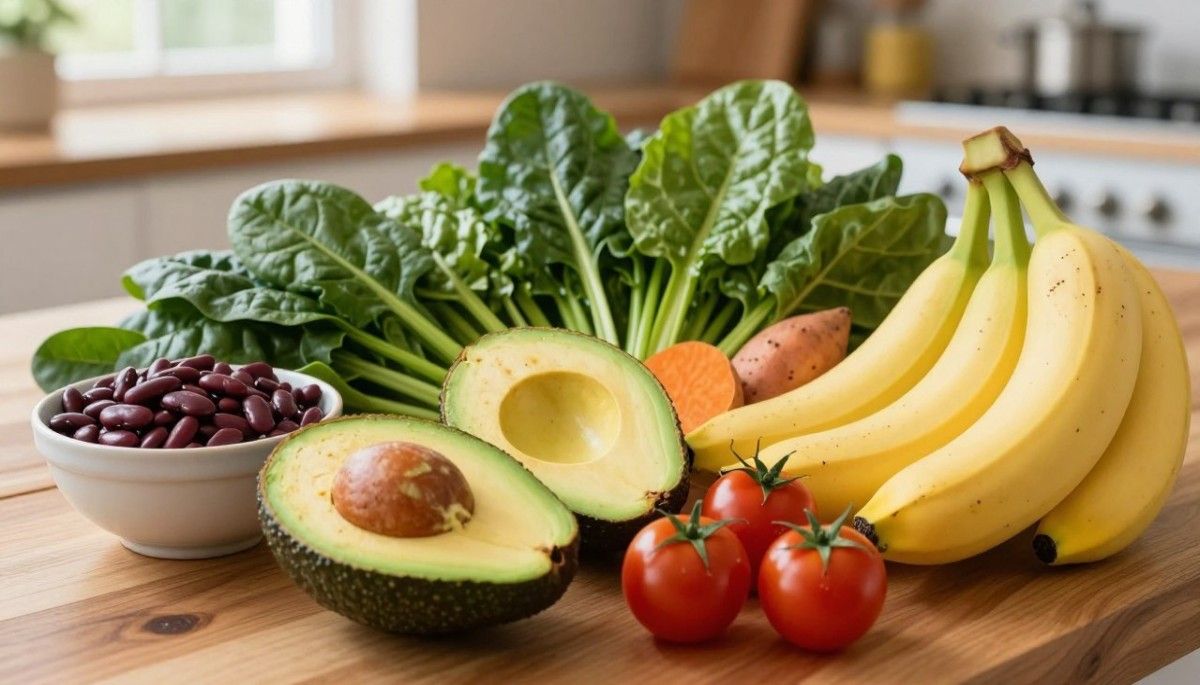
started incorporating potassium-rich foods like bananas and sweet potatoes into my morning and evening meals. These simple, accessible options are packed with nutrients that support kidney function. By helping the kidneys excrete excess sodium, these foods play a direct role in my blood pressure control.
Sweet potatoes, in particular, became a staple in my kitchen because they are incredibly versatile. I found that roasting them provided a satisfying texture while delivering a high dose of essential minerals. This shift made it much easier to stay consistent with my health goals.
Balancing sodium intake with increased potassium consumption
My primary goal was to reduce sodium intake while simultaneously boosting my potassium levels. This dual approach creates a stable environment for the cardiovascular system to function efficiently. When I stopped relying on processed snacks, I noticed a significant improvement in how I felt throughout the day.
The following table highlights some of the best sources I used to maintain this balance during my experiment:
Food Item Potassium Content Primary Benefit
Sweet Potato High Heart Health
Banana Moderate Convenience
Spinach High Vascular Support
White Beans Very High Sodium Regulation
Step Three: Utilizing Healthy Fats and Seeds
Incorporating specific fats into my daily meals became a turning point for my arterial health. I previously avoided fats entirely, but I learned that choosing the right healthy fats for heart function is essential. These nutrients help reduce systemic inflammation and support the structural integrity of my blood vessels.
Omega-3 fatty acids found in fatty fish
I began adding fatty fish like salmon and mackerel to my diet at least twice a week. These fish are packed with omega-3 fatty acids, which are known for their potent anti-inflammatory properties. Consistently consuming these fats helped me manage my blood pressure more effectively over the course of my experiment.
The benefits of flaxseeds and chia seeds for arterial health
For days when I did not eat fish, I turned to plant-based sources to maintain my intake of omega-3 fatty acids. Flaxseeds and chia seeds became my go-to additions for smoothies and oatmeal. These seeds are excellent for improving lipid profiles and supporting long-term arterial health.
By integrating these nutrient-dense seeds, I provided my body with the fiber and healthy fats it needed to thrive. Prioritizing these ingredients allowed me to feel more energized while keeping my cardiovascular system in top shape. It is a simple change that yields significant results for anyone looking to support their heart naturally.
Step Four: The Impact of Garlic and Fermented Foods
I discovered that the secret to long-term vascular health often hides in the pungent cloves of garlic and the tangy jars of fermented vegetables. These two additions have become cornerstones of my hypertension management strategy. By focusing on these functional foods, I have seen a noticeable shift in how my body handles daily stress and vascular tension.
Allicin: The active compound in garlic that relaxes blood vessels
When I crush fresh garlic, I am activating a powerful compound known as allicin. This sulfur-containing substance is the primary reason why using garlic for blood pressure is so effective. It works by stimulating the production of nitric oxide, which helps my blood vessels dilate and relax.
I make it a point to let the garlic sit for ten minutes after chopping before I add it to my meals. This simple step ensures that the allicin is fully developed and ready to provide its maximum cardiovascular benefits. It is a small, easy habit that makes a significant difference in my daily health.
Probiotics and their role in long-term blood pressure management
Beyond garlic, I have turned my attention to the gut-heart axis. The fermented foods benefits are vast, particularly when it comes to maintaining a healthy microbiome. I have found that incorporating these items is essential for probiotics for health and overall systemic balance.
My favorite sources of these beneficial bacteria include:
Sauerkraut: A simple, crunchy addition to any lunch.
Kimchi: Provides a spicy kick while supporting gut flora.
Kefir: A drinkable source of diverse probiotic strains.
By prioritizing probiotics for health, I am supporting a balanced internal environment that is increasingly linked to better cardiovascular outcomes. These fermented foods benefits extend far beyond digestion, acting as a foundational element of my long-term hypertension management. Using garlic for blood pressure alongside these living cultures has truly refined my approach to heart health.
Conclusion
My journey proves that you can lower blood pressure naturally by choosing the right ingredients. These seven food groups provide a simple roadmap for anyone seeking better health. You hold the power to change your physical state through the meals you prepare each day.
The dietary experiment results show that small shifts in your pantry lead to significant changes in your body. I encourage you to view these blood pressure reduction tips as a lifestyle shift rather than a temporary fix. Consistency remains the most important factor in achieving lasting success.
Prioritizing cardiovascular wellness requires dedication and a focus on whole, unprocessed foods. You can start your own path toward vitality by adding one of these items to your plate tonight. Your heart will reward your commitment with improved function and resilience.
I invite you to share your own experiences with these dietary changes. Tracking your progress helps you stay motivated while you monitor your numbers. Take control of your health today and enjoy the benefits of a nutrient-dense diet.
FAQ
How quickly did I notice a change in my readings during this experiment?
Throughout my seven-day trial, I began to see a measurable shift in my systolic and diastolic numbers by the fourth day. While individual results vary, my commitment to a whole-foods approach allowed my body to respond rapidly to the high concentration of nitrates and potassium. However, I always recommend monitoring your progress with a reliable device, such as an Omron Gold Blood Pressure Monitor, to track these nuances accurately.
Can I replace my prescribed hypertension medication with these seven foods?
I believe that food is a powerful form of medicine, but it should complement, not replace, professional medical advice. During my journey, I used these nutrient-dense options to support my vascular health and improve my arterial stiffness. If you are currently taking medication like Lisinopril or Amlodipine, you must consult with your cardiologist before making any changes to your treatment plan.
Why did I specifically choose spinach and kale over other leafy vegetables?
I focused on spinach and kale because they are exceptionally high in dietary nitrates. My research into cardiovascular wellness shows that these nitrates are essential for the production of nitric oxide, a gas that signals the muscles in our arteries to relax. While other greens are healthy, these two are the "heavy hitters" for anyone following a DASH diet (Dietary Approaches to Stop Hypertension) protocol.
Is there a specific way I should consume garlic to maximize the benefits of allicin?
To get the most out of garlic, I found that crushing or chopping the clove and letting it sit for ten minutes before cooking is vital. This process activates allicin, the enzyme responsible for relaxing blood vessels. I often incorporate fresh cloves into a dressing made with Bragg Organic Extra Virgin Olive Oil to combine the benefits of allicin with heart-healthy monounsaturated fats.
How does increasing my potassium intake help if I am still eating some salt?
Potassium acts as a natural antagonist to sodium. In my experience, eating more bananas and sweet potatoes helped my kidneys flush out excess salt through my urine. This balance is critical because high sodium levels cause the body to retain water, which increases pressure on the vessel walls. By focusing on the sodium-potassium pump mechanism, I was able to manage my fluid balance more effectively.
Which fermented foods did I include to improve my gut-heart connection?
I primarily relied on Chobani Greek Yogurt and organic sauerkraut to introduce beneficial probiotics into my routine. Emerging research suggests that a healthy microbiome can help regulate inflammation and improve metabolic health, both of which are intrinsically linked to long-term blood pressure management.
Are there other minerals I should consider alongside these seven foods?
While my focus was on these specific groups, I also ensured I was getting enough magnesium, which works alongside potassium to support muscle relaxation. Foods like pumpkin seeds and dark chocolate (at least 70% cacao) are excellent sources that I occasionally integrated to round out my heart-healthy nutritional profile.
Inspire Others
Reader Insights
0 Discussions Joined
Be the first to start the conversation