Manish Singh
Easy Air Fryer Salmon Recipe for Tender, Flaky Fish
Master perfectly cooked fish with this easy air fryer salmon recipe for beginners. Featuring tender, flaky flesh and lightly crisped edges, dinner is on the table in under 15 minutes.

Cooking fish at home can feel intimidating, but this easy air fryer salmon recipe takes all the guesswork out of the process. If you have ever struggled with dry, overcooked fish or sticky pans, using an air fryer is a complete game changer. The circulating hot air quickly seals in natural juices while creating lightly crisped edges and a tender, flaky center. With just a handful of pantry spices and less than ten minutes of cooking time, you will have a restaurant-quality dinner ready on your table with minimal cleanup.
Key Takeaways
- Fast and Convenient: Salmon cooks in just 7 to 9 minutes, making this an ideal weeknight meal.
- Foolproof Texture: The rapid air circulation keeps the interior succulent while gently browning the top.
- Simple Pantry Spices: A basic blend of garlic powder, paprika, salt, and pepper lets the natural rich flavor of the fish shine.
- Minimal Mess: No splattering oil on your stovetop or heavy sheet pans to scrub.
- Easy Temperature Control: Cook at 400°F [200°C] for the ideal balance of exterior caramelization and tender interior.
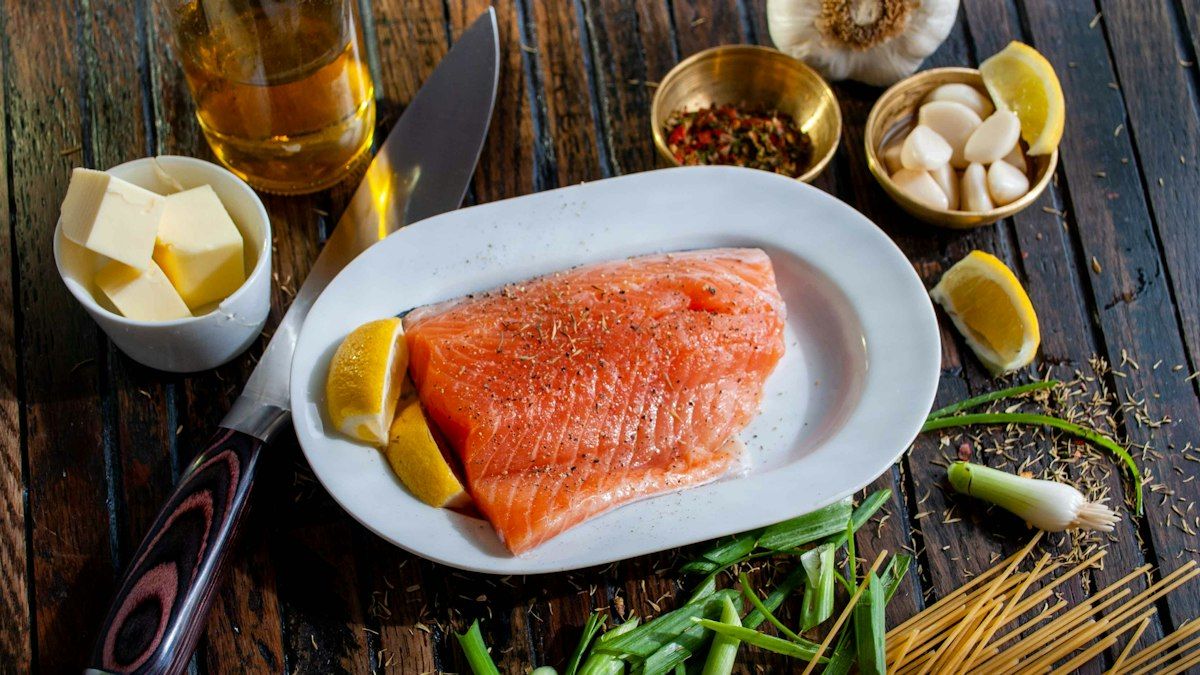
Photo by David B Townsend on Unsplash
Why the Air Fryer Is Best for Salmon
Traditional methods like pan-searing often result in smoke, oil splatters across the counter, and uneven cooking if the heat is slightly too high. Baking in a standard oven, on the other hand, can take up to 20 minutes just to preheat, and it is easy to accidentally dry the fish out.
An air fryer functions as a concentrated convection oven. Because the heating element sits directly above a compact basket with a powerful fan, hot air circulates tightly around the fish. This accomplishes three distinct things:
- Renders Fat Evenly: Salmon is naturally rich in healthy omega-3 fats. The rapid heat renders this fat smoothly, basting the fillet from within.
- Locks in Moisture: The intense, direct heat sears the surface quickly, preventing the interior moisture from evaporating into the air.
- Crisps the Skin: If you enjoy crisp salmon skin, placing the fish skin-side down over the perforated basket allows heat to circulate underneath, producing a snappy, delicious skin without sticking.
Ingredients You Will Need
This recipe keeps things straightforward so you can appreciate the fresh taste of the fish without complicated preparations. Here is what you need for four servings:
- Salmon Fillets: 4 center-cut fillets, approximately 6 oz [170 g] each, skin-on or skinless.
- Olive Oil: 1 tbsp [15 ml], or avocado oil, to help the spices stick and promote browning.
- Paprika: 1 tsp [5 g], sweet or smoked depending on your preference.
- Garlic Powder: 1 tsp [3 g], for savory depth.
- Kosher Salt: 1/2 tsp [3 g], or fine sea salt.
- Freshly Ground Black Pepper: 1/4 tsp [1.5 g].
- Dried Parsley or Oregano: 1/2 tsp [1 g], for an herbal lift.
- Lemon Wedges: 1 whole fresh lemon, cut into wedges for serving.
Choosing the Right Salmon
When shopping, look for fillets that are uniform in thickness so they cook at the exact same rate. Center-cut pieces work best. You can use wild-caught salmon (such as Sockeye or Coho) or farmed Atlantic salmon. Note that wild salmon is leaner and cooks about 1 to 2 minutes faster than richer farmed salmon.
Step-by-Step Cooking Instructions
Follow these simple steps for perfectly flaky fish every single time.
Step 1: Prep and Dry the Fish
Remove your salmon fillets from the refrigerator about 10 to 15 minutes before cooking to take the chill off. Use a paper towel to thoroughly pat each fillet dry on all sides. Removing surface moisture is crucial; wet fish will steam rather than brown.
Step 2: Season the Fillets
Place the fillets on a cutting board or plate. Drizzle the olive oil (1 tbsp [15 ml]) evenly over the tops and sides. In a small bowl, mix together the paprika, garlic powder, salt, black pepper, and dried herbs. Sprinkle the spice rub generously across the top of each fillet, gently pressing it down with your fingers so it adheres.
Step 3: Preheat the Air Fryer
Set your air fryer to 400°F [200°C] and let it run empty for 3 to 5 minutes. Preheating ensures the cooking surface is hot the moment the fish touches the basket, which prevents sticking.
Step 4: Arrange and Air Fry
Lightly mist the air fryer basket with olive oil spray (do not use aerosol nonstick sprays containing propellants, as they can damage the basket coating). Place the fillets in the basket skin-side down, leaving at least 1 inch [2.5 cm] of space between each piece so the air can circulate freely.
Cook at 400°F [200°C] for 7 to 9 minutes.
- For a 1-inch [2.5 cm] thick fillet, 7 to 8 minutes yields a tender medium-doneness.
- For thicker fillets (around 1.5 inches [3.8 cm]), allow 9 to 10 minutes.
Step 5: Rest and Serve
Check the fish using an instant-read meat thermometer inserted into the thickest part. The temperature should read 140°F to 145°F [60°C to 63°C]. Transfer the fillets to a warm serving platter and let them rest for 2 to 3 minutes. Squeeze fresh lemon juice over the top right before serving.
Pro Tips for Beginners
- Do Not Flip the Fish: Unlike pan-searing, you do not need to flip salmon in the air fryer. The top element and circulating heat cook both sides thoroughly without disturbing the delicate meat.
- Use a Digital Thermometer: Flakiness is a good indicator, but an instant-read thermometer is the most reliable way to avoid overcooking. Pull the salmon out at 140°F [60°C]; carryover heat will bring it to the recommended 145°F [63°C] as it rests.
- Avoid Overcrowding: If your air fryer basket is compact, cook in two batches instead of cramming the fillets together. Overcrowding blocks airflow and turns your crisp salmon soggy.
- Watch the White Protein (Albumin): If you see white liquid seeping out of the fish, it means the muscle fibers are tightening and squeezing out moisture due to high heat. While harmless, it usually indicates the salmon is slightly overcooked.
Delicious Flavor Variations
Once you master the basic spice blend, customize the seasoning to pair with your favorite side dishes:
- Sweet and Spicy: Whisk 1 tbsp [15 ml] of pure maple syrup or honey with 1/2 tsp [2.5 g] of chili flakes and brush it over the salmon during the last 2 minutes of cooking.
- Lemon Pepper: Swap the paprika for cracked black pepper, onion powder, and grated fresh lemon zest.
- Dijon Herb: Spread a thin layer of Dijon mustard (about 1 tsp [5 ml] per fillet) over the tops before sprinkling with fresh chopped dill and parsley.
- Cajun Style: Use 1 tbsp [7 g] of your favorite salt-free Cajun seasoning blend for a bold, smoky flavor profile.
What to Serve with Air Fryer Salmon
Because this main dish cooks in under ten minutes, choose side dishes that are quick to prepare or can be pre-cooked:
- Fluffy Grains: Steamed jasmine rice, lemon-herb quinoa, or garlic couscous.
- Roasted Vegetables: Steamed broccoli, air-fried asparagus (cook them right after the fish), or sautéed green beans.
- Crisp Salads: A light cucumber salad with dill and vinegar, or a classic Caesar salad.
Storage, Freezing, and Reheating Instructions
- Refrigeration: Store leftover cooked salmon in an airtight container in the refrigerator for up to 3 days.
- Freezing: While cooked salmon can be frozen for up to 2 months, the texture becomes noticeably softer upon thawing. It is best eaten fresh.
- Reheating: The microwave often makes fish rubbery and accentuates fishy aromas. Instead, reheat your salmon in the air fryer at 320°F [160°C] for 3 to 4 minutes. This warms the fillet through gently without drying it out.
- Using Leftovers Cold: Leftover cold salmon makes a wonderful protein addition flaked over mixed greens, wrapped in a tortilla with avocado, or mixed into a morning scramble.
FAQs
Can I cook frozen salmon directly in the air fryer?
Yes, you can cook unthawed fillets, though fresh yields better texture. Preheat your air fryer to 380°F [193°C], cook the unseasoned frozen salmon for 5 minutes to thaw the surface, then brush with oil, apply your seasonings, and cook for an additional 7 to 9 minutes until heated through.
Should I cook salmon with the skin on or skin off?
Cooking with the skin on is recommended because the skin acts as an insulating barrier, preventing the delicate flesh from drying out against the hot basket. Even if you do not plan to eat the skin, it peels away effortlessly after cooking.
Do I need to use foil or parchment paper in the basket?
Using parchment liners designed with holes for air fryers makes cleanup easier, but it is not mandatory. If you use standard foil or parchment, make sure the food holds it down securely, and note that cooking directly on an oiled basket grate yields the crispiest bottom.
How do I know when the salmon is fully cooked?
Salmon changes from translucent pink to an opaque, pale coral when done. Press the thickest part gently with a fork; if the fish flakes easily along the natural white lines, it is ready to enjoy.
Want a custom recipe for any dish?
Try our AI Recipe GeneratorLatest Articles
- Instant Pot Chicken Thighs: Best Juicy RecipesDiscover how to cook tender, flavorful poultry with these reliable instant pot recipes chicken thighs. From crispy skin tricks to rich pan sauces, learn the secrets to foolproof weeknight dinners.
- Easy Taco Recipes with Rotisserie Chicken in 20 MinsTransform a supermarket rotisserie chicken into quick, mouthwatering Mexican-style dinners. Explore four versatile taco recipes, homemade seasoning methods, and essential prep tips for weeknight success.
- Quick Lunch Ideas for Work: Easy, Packable MealsSay goodbye to sad desk sandwiches and overpriced takeout. Explore fresh, flavorful, and incredibly quick lunch ideas for work that keep you energized all afternoon without spending hours in the kitchen.
Reader Insights
0 Discussions Joined
Be the first to start the conversation