Manish Singh
Easy Seafood Dinner Recipes for Two: Quick & Fresh
Looking for restaurant-quality meals without the crowds or hefty bill? These easy seafood dinner recipes for two bring tender salmon, buttery shrimp, and flaky white fish to your table in under 30 minutes.
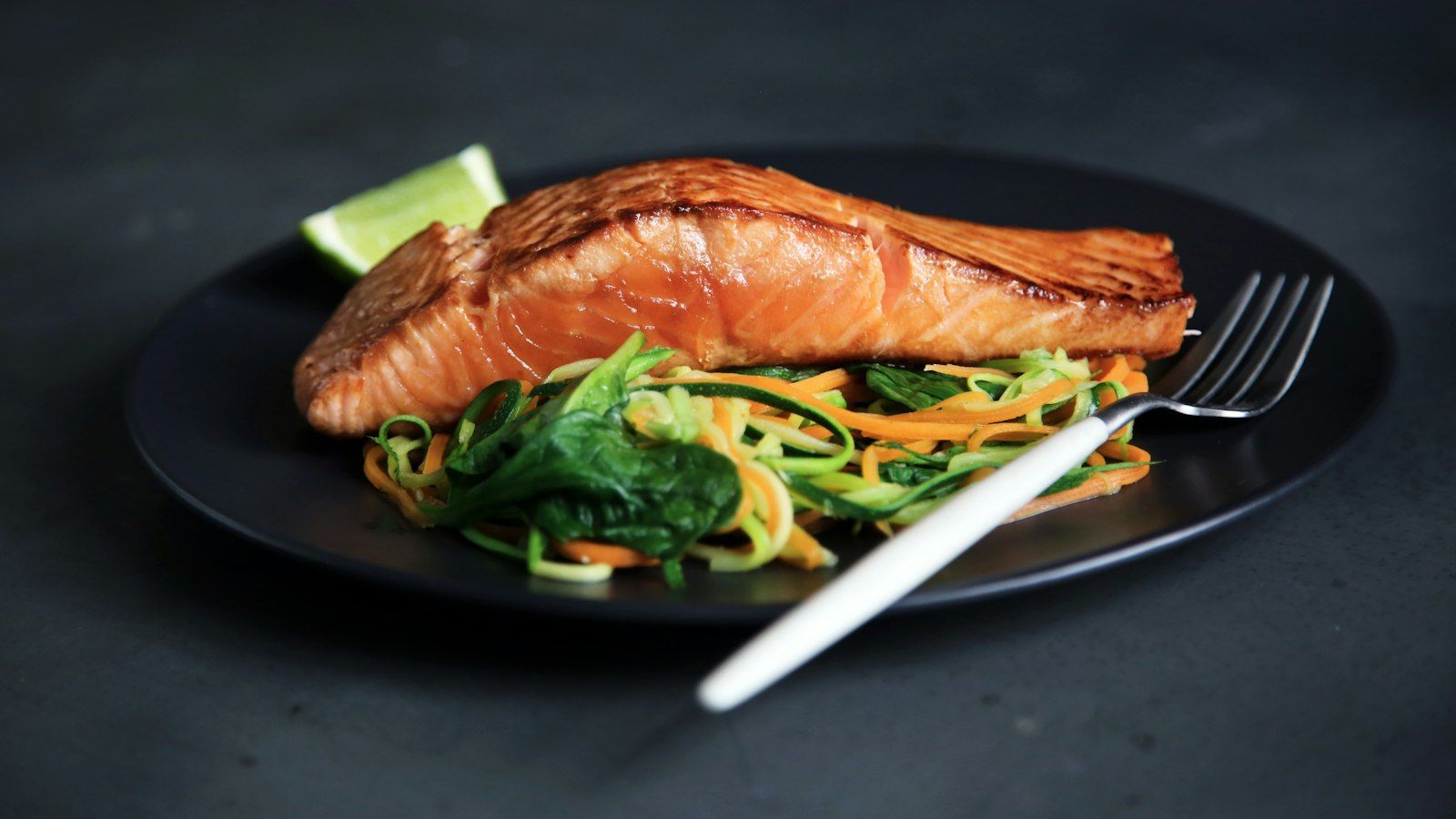
Planning a weeknight meal or an intimate weekend date night should feel relaxing rather than stressful. If you want to impress without spending hours over a hot stove, mastering a few easy seafood dinner recipes for two is the ultimate culinary shortcut. Seafood naturally cooks in a fraction of the time required for beef, pork, or poultry, yet it carries an elegant, celebratory quality that instantly elevates the dining experience. Whether you crave tender salmon fillets, sweet pan-seared shrimp, or delicate white fish, cooking for two allows for precise temperature control, minimal waste, and effortless cleanup.
Seafood has earned an unfair reputation for being finicky or intimidating. In reality, fish and shellfish simply demand gentle heat and quick cooking times. When sized specifically for a pair of diners, you avoid the overcrowding that often causes seafood to steam rather than sear in home kitchens. In this guide, you will discover four foolproof, restaurant-worthy seafood recipes tailored for two, along with practical grocery shopping advice, smart side dish pairings, and technique tips to guarantee succulent results every single time.
Key Takeaways
- Speed is on your side: Most seafood portions for two cook in 6 to 12 minutes, making them faster than takeout.
- Proper pan spacing matters: Cooking just two portions at a time prevents skillet crowding and guarantees crisp skin and golden caramelization.
- Pat it dry: Moisture is the enemy of a golden sear; always dry fish fillets and peeled shrimp thoroughly with paper towels before seasoning.
- Dual measurements: Every recipe includes both US standard measurements and metric equivalents for seamless cooking across North America.
- Invest in instant-read thermometers: Removing fish at an internal temperature of 125°F to 130°F [52°C to 54°C] ensures tender, juicy results that never dry out.

Photo by Farhad Ibrahimzade on Unsplash
Why Seafood Is Built for Two-Person Dinners
Cooking for two presents unique challenges. Many standard recipes yield four to six portions, leaving you with bulky leftovers that rarely reheat well. Seafood is notorious for drying out upon reheating, which makes large-batch preparations impractical.
Crafting seafood dinners sized specifically for two people eliminates leftover dilemmas entirely. A standard 10-inch or 12-inch [25 cm or 30 cm] skillet comfortably holds two 6 oz [170 g] fillets or 12 oz [340 g] of shrimp without dropping the pan's surface temperature. That heat retention creates a crisp exterior while preserving internal moisture. Furthermore, purchasing small quantities allows you to buy higher-grade cuts—such as wild-caught salmon or diver scallops—without breaking your weekly grocery budget.
4 Easy Seafood Dinner Recipes for Two
Here are four tested, versatile dinner concepts designed to go from cutting board to table in 30 minutes or less.
1. Garlic Butter Pan-Seared Salmon with Charred Asparagus
This classic skillet preparation delivers crispy, savory skin and a buttery, melt-in-your-mouth interior, balanced by the bright snap of fresh lemon and tender asparagus.
- Prep time: 10 minutes
- Cook time: 10 minutes
- Yield: 2 servings
Ingredients:
- 2 center-cut salmon fillets, skin-on, about 6 oz [170 g] each
- 1 bunch thin asparagus, woody ends trimmed (about 8 oz [225 g])
- 1 tbsp [15 ml] olive oil
- 2 tbsp [30 g] unsalted butter
- 3 cloves garlic, finely minced
- 1/2 lemon, juiced (about 1 tbsp [15 ml])
- 1/2 tsp [3 g] kosher salt, divided
- 1/4 tsp [1.5 g] freshly cracked black pepper
- 1 tbsp [4 g] chopped fresh dill or flat-leaf parsley
Instructions:
- Pat the salmon fillets completely dry on all sides using paper towels. Season both sides with half of the salt and pepper.
- Heat the olive oil in a 12-inch [30 cm] stainless steel or cast-iron skillet over medium-high heat until shimmering.
- Carefully lay the salmon fillets skin-side down in the hot skillet. Press down gently on each fillet with a spatula for 10 seconds to prevent curling.
- Scatter the trimmed asparagus spears around the salmon in the open spaces of the skillet.
- Cook without disturbing the salmon for 5 to 6 minutes, until the skin is deep golden brown and releases easily from the pan. Roll the asparagus occasionally to blister evenly.
- Flip the salmon fillets. Lower the heat to medium and add the butter and minced garlic to the skillet. Tilt the pan slightly and spoon the foaming garlic butter over the salmon for 2 to 3 minutes, until the fish reaches 125°F to 130°F [52°C to 54°C] inside.
- Squeeze the fresh lemon juice over the skillet, sprinkle with fresh herbs and the remaining salt, then divide the salmon and asparagus onto two plates.
2. Sheet Pan Mediterranean Lemon-Herb Cod
Sheet pan cooking keeps kitchen mess down to a single rimmed baking sheet. Mild, flaky Pacific or Atlantic cod absorbs the sweet acidity of roasted cherry tomatoes and briny olives.
- Prep time: 10 minutes
- Cook time: 15 minutes
- Yield: 2 servings
Ingredients:
- 2 thick cod loin fillets, about 6 oz [170 g] each
- 1 1/2 cups [225 g] cherry or grape tomatoes
- 1/3 cup [50 g] pitted Kalamata olives, halved
- 1 small zucchini, sliced into 1/4-inch [6 mm] rounds
- 2 tbsp [30 ml] extra virgin olive oil, divided
- 1 tsp [2 g] dried oregano
- 1/2 tsp [1.5 g] garlic powder
- 1/2 tsp [3 g] kosher salt
- 1/4 tsp [1.5 g] black pepper
- 1/2 lemon, thinly sliced into rounds
Instructions:
- Preheat your oven to 400°F [200°C]. Line a large baking sheet with parchment paper for easy cleanup.
- In a medium bowl, toss the cherry tomatoes, sliced olives, and zucchini rounds with 1 tbsp [15 ml] of the olive oil, half the oregano, half the garlic powder, and a pinch of salt and pepper.
- Spread the vegetables across the baking sheet, leaving two open spaces in the center.
- Pat the cod fillets dry. Rub each fillet with the remaining 1 tbsp [15 ml] olive oil and season evenly with the remaining oregano, garlic powder, salt, and black pepper.
- Nest the seasoned cod fillets in the center of the sheet pan and top each fillet with two lemon slices.
- Roast for 12 to 15 minutes, until the tomatoes blister and the thickest part of the cod flakes gently when pressed with a fork (internal temperature of 135°F to 140°F [57°C to 60°C]).
- Serve warm, spooning the pan juices and roasted vegetables over the fish.
3. Fifteen-Minute Garlic Shrimp Scampi for Two
Shrimp scampi provides instant elegance with a pantry-friendly ingredient list. Serve this saucy dish over a small nest of angel hair pasta or alongside a warm crusty baguette.
- Prep time: 8 minutes
- Cook time: 7 minutes
- Yield: 2 servings
Ingredients:
- 10 to 12 oz [285 to 340 g] raw large shrimp (16/20 count), peeled and deveined
- 4 oz [115 g] linguine or angel hair pasta (optional, or crusty bread)
- 2 tbsp [30 ml] olive oil
- 2 tbsp [30 g] unsalted butter
- 4 cloves garlic, thinly sliced
- 1/4 cup [60 ml] dry white wine (such as Pinot Grigio or Sauvignon Blanc) or low-sodium chicken broth
- 1/4 tsp [0.5 g] crushed red pepper flakes
- 1/4 tsp [1.5 g] kosher salt
- 2 tbsp [8 g] finely chopped fresh Italian parsley
- Zest and juice of 1/2 lemon
Instructions:
- If serving with pasta, bring a pot of salted water to a boil and cook the pasta according to package directions until al dente. Reserve 1/4 cup [60 ml] of pasta cooking water, then drain.
- Pat the peeled shrimp dry with paper towels and season lightly with salt.
- Heat the olive oil and 1 tbsp [15 g] of butter in a large skillet over medium heat. Add the sliced garlic and crushed red pepper flakes. Cook for about 60 seconds until fragrant, taking care not to brown the garlic.
- Add the shrimp in a single layer. Cook for 1 1/2 to 2 minutes on the first side until pink on the bottom, then flip.
- Pour in the dry white wine and bring to a gentle simmer for 1 minute to reduce slightly.
- Stir in the remaining 1 tbsp [15 g] butter, lemon zest, lemon juice, and chopped parsley. The butter will melt and emulsify with the wine into a glossy sauce.
- Toss the cooked pasta directly into the skillet with a splash of reserved pasta water (if using), coating the strands thoroughly in the garlic-butter sauce. Serve immediately.
4. Bistro-Style Steamed White Wine Mussels
Mussels look extravagant and taste luxurious, yet they are among the most economical and rapid-cooking seafood options available at local fish markets.
- Prep time: 10 minutes
- Cook time: 8 minutes
- Yield: 2 servings
Ingredients:
- 2 lb [900 g] fresh live mussels, scrubbed and debearded
- 1 tbsp [15 ml] olive oil
- 1 medium shallot, finely diced
- 2 cloves garlic, minced
- 1/2 cup [120 ml] dry white wine or vegetable broth
- 2 tbsp [30 g] cold unsalted butter, cubed
- 2 tbsp [8 g] fresh parsley, chopped
- Fresh black pepper to taste
- Warm crusty baguette for dipping
Instructions:
- Inspect the mussels under cold running water. Discard any with cracked shells, or any open shells that do not close when tapped firmly against the counter. Pull away any fibrous "beards" clinging to the hinges.
- Heat olive oil in a wide, heavy pot or Dutch oven over medium heat. Add the diced shallot and garlic, cooking for 2 minutes until soft and translucent.
- Add the cleaned mussels to the pot and pour the white wine over them.
- Immediately cover the pot with a tight-fitting lid. Increase heat to medium-high and let steam undisturbed for 4 to 5 minutes, shaking the pot once or twice.
- Remove the lid. Most mussels should be wide open. Use a slotted spoon to transfer open mussels to two warm serving bowls (discard any mussels that remain tightly closed).
- Whisk the cold cubed butter and chopped parsley directly into the simmering broth remaining in the pot until velvety. Season with black pepper.
- Ladle the hot, aromatic broth over the mussels and serve immediately with warm sliced bread.
Essential Buying and Thawing Tips for Two
When preparing easy seafood dinner recipes for two, portion selection is straightforward. Aim for 5 to 6 oz [140 to 170 g] of boneless fish fillet per person, or 6 to 8 oz [170 to 225 g] of raw peeled shrimp per person. For shellfish with shells like mussels or clams, plan on 1 lb [450 g] per diner.
Fresh vs. Frozen Seafood
Many consumers believe fresh fish is superior to frozen. In reality, most commercial seafood is flash-frozen on the fishing vessel within hours of harvest, locking in peak freshness. The "fresh" fillets resting on crushed ice at the counter are often previously frozen fillets thawed by the grocer.
- Look for individually vacuum-sealed frozen portions: Buying individually wrapped salmon, cod, or vacuum-sealed 1 lb [450 g] bags of peeled shrimp allows you to pull out exactly what you need for two people without thawing the whole package.
- Avoid ice crystals and discoloration: When buying frozen fillets, choose packages free from milky frost, dried edges, or excessive ice buildup inside the plastic, which indicates temperature fluctuations.
The Right Way to Thaw
The safest and most texture-preserving method is an overnight thaw in the refrigerator. Place the wrapped seafood on a rimmed plate on the bottom shelf.
Need to cook tonight? Use the cold-water quick thaw. Seal the frozen seafood in a watertight zip-top bag and submerge it in a large bowl filled with cold tap water. Change the water every 10 minutes. A pair of salmon fillets or 12 oz [340 g] of shrimp will thaw completely in 20 to 30 minutes. Never thaw seafood in warm or hot water, and avoid using the microwave defrost setting, which partially cooks the delicate edges and ruins the texture.
Common Mistakes to Avoid When Cooking Seafood
Even experienced home cooks can run into pitfalls when preparing fish. Avoiding these four common mistakes will instantly improve your results:
- Skipping the paper towel step: Wet fish will never brown. Moisture in the pan converts to steam, resulting in pale, soggy skin. Always dry every surface thoroughly before the fish touches oil.
- Using a cold skillet: Wait until your cooking oil is shimmering (almost smoking) before laying in fillets. A hot pan immediately sears the exterior protein, preventing the fish from sticking to the surface.
- Moving the fish too early: When pan-searing, let the fillet sit undisturbed. As the crust forms, the protein contracts and naturally releases itself from the metal. If you feel resistance when sliding your spatula under the fillet, give it another 30 to 45 seconds.
- Overcooking past the danger zone: Fish cooks quickly and continues to cook via residual heat for a couple of minutes after leaving the pan. Pull salmon off the heat around 125°F to 130°F [52°C to 54°C] for a medium, flaky center, and white fish like cod around 135°F to 140°F [57°C to 60°C].
Smart Make-Ahead, Storage, and Reheating Advice
Because these meals come together so rapidly, active preparation is rarely a burden. However, simple steps can make your evening run even smoother.
Make-Ahead Prep
- Vegetables and aromatics: Chop your shallots, mince the garlic, wash the asparagus, and slice the lemons up to 24 hours in advance. Store them in airtight glass containers in the refrigerator.
- Herb butter: Compound butter made with softened unsalted butter, minced garlic, lemon zest, and parsley can be rolled into a log in parchment paper and kept in the freezer for up to three months. Slice off a 1 tbsp [15 g] disk to melt over freshly cooked fish.
Storage and Reheating
Cooked seafood should be refrigerated within two hours of cooking in an airtight glass container and consumed within two days.
Avoid using the microwave to reheat leftover fish, as it makes the texture rubbery and releases an intense fishy odor throughout the house. Instead, reheat fillets in an oven or toaster oven preheated to 275°F [135°C]. Place the fish on a small rimmed baking sheet, cover loosely with foil to retain moisture, and warm for 8 to 12 minutes until heated through. Alternatively, shred cold leftover salmon or cod directly into a fresh green salad or fold it into a chilled grain bowl without reheating.
Complementary Sides for a Balanced Plate
To keep your dinner feeling like a complete dining experience, round out the plate with low-effort side dishes that match the cook time of your seafood:
- Couscous or Quinoa: Steamed couscous fluffs up in just 5 minutes with boiling water and a drizzle of olive oil, making it an ideal companion for saucy shrimp or cod.
- Crisp Green Salad: A simple mix of tender butter lettuce, thinly sliced radishes, and a light Dijon vinaigrette cuts through the richness of garlic butter salmon.
- Warm Crusty Sourdough: An absolute essential for brothy dishes like steamed mussels or shrimp scampi to ensure no flavorful sauce goes to waste.
- Roasted Baby Potatoes: Halved baby potatoes tossed with olive oil and roasted at 400°F [200°C] for 25 minutes pair effortlessly with pan-seared fillets.
FAQs
How can I tell when fish is fully cooked without cutting it open?
The most reliable method is an instant-read digital thermometer inserted into the thickest part of the fillet. If you do not own a thermometer, insert the tip of a small paring knife into the center for 5 seconds, then touch the flat of the blade to your lower lip; it should feel pleasantly warm, not cold or piping hot. Alternatively, press gently on the top surface of the fillet; properly cooked fish will yield slightly with gentle firmness and begin to separate along its natural flake lines.
What can I substitute if I do not cook with white wine?
If you prefer not to use alcohol in recipes like shrimp scampi or steamed mussels, replace the dry white wine with an equal volume of low-sodium chicken broth, vegetable stock, or seafood stock. Add an extra teaspoon [5 ml] of fresh lemon juice or 1/2 teaspoon [2.5 ml] of white wine vinegar to mimic the natural acidity and brightness that wine normally provides to balance rich butter sauces.
How do I eliminate lingering fish odors in my kitchen after cooking?
Lingering smells are primarily caused by vaporized fish oils that settle on surrounding surfaces during searing. To minimize odors, run your stove hood exhaust fan on high before the fish touches the pan. After dinner, simmer a small pot of water with 1 cup [240 ml] of white vinegar and a sliced lemon or cinnamon stick on low heat for 15 minutes. The vinegar neutralizes airborne alkaline odors naturally.
Can I make these recipes with frozen shrimp and fish without thawing first?
While some baking methods allow cooking straight from frozen, pan-searing or sautéing requires thorough thawing. Placing frozen seafood into a hot skillet releases excessive water, dropping the pan temperature and causing the fish to boil rather than sear. For the crisp texture and caramelized flavor highlighted in these recipes, always thaw your seafood completely and pat it thoroughly dry before it hits the skillet.
Want a custom recipe for any dish?
Try our AI Recipe GeneratorLatest Articles
- Creamy Cherry Tomato Pasta Recipes for Quick DinnersUpgrade your weeknight dinners with comforting, vibrant pasta dishes featuring sweet cherry tomatoes and velvety cream sauces. Learn master techniques, flavor variations, and chef tips for the ultimate comforting bowl.
- Ground Beef and Potato Casserole Recipes: Easy ComfortLooking for hearty weeknight comfort food? Explore these satisfying casserole recipes with ground beef and potatoes, featuring classic layering techniques, smart prep shortcuts, and delicious flavor variations.
- Easy Dessert Recipes with Few Ingredients for Sweet CravingsLooking for delicious sweet treats without the hassle of a long grocery list? Discover our favorite easy dessert recipes with few ingredients, from velvety lemon posset to rich two-ingredient truffles.
Reader Insights
0 Discussions Joined
Be the first to start the conversation